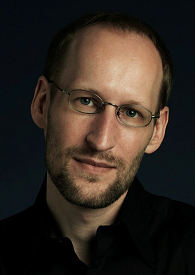
About the Author
David Orr is the poetry columnist for the New York Times Book Review. He is the winner of the Nona Balakian Prize from the National Book Critics Circle and the Editorâs Prize for Reviewing from Poetry magazine. Orrâs writing has appeared in Poetry, Slate, The Believer, and Pleiades magazine. He holds a B.A. from Princeton and a J.D. from Yale Law School.
Many of Davidâs reviews and essays are archived online at The New York Times and The Poetry Foundation. To book David for an interview or submit questions or comments, please contact his publicist, Katherine Beitner, via email, or contact David directly.
Frequently Asked Questions
These are questions Iâve been asked. Frequently. The list may change as circumstances dictate.
How does someone become a poetry critic?
In my case, someone really didnât want to read his Property textbook in law school. So someone lunged at any excuse not to do so, such as the need to write a sample review that he could send to Poetry magazine. Someone was determined, apparently, that the world be advised on the merits of Greg Millerâs Iron Wheel (which someone still thinks is a good book). For a more complete answer, read this interview.
Why does someone become a poetry critic?
The money. The fame, too. But mostly the money.
Why is poetry so difficult/annoying/pretentious, etc.?
Because poets are terrified by the prospect of being widely admired, making millions of dollars, eating caviar like it was peanut butter, and being followed around by platoons of groupies. So they intentionally write things that are difficult/annoying/pretentious, etc., in the hope that people will leave them alone, allowing them to concentrate on what they really love: Complaining about other poets. (Or possibly poetry isnât really especially difficult/annoying/pretentious, etc.; itâs just that poetryâs quirks are no longer as familiar to us as the idiosyncrasies of, say, Grand Theft Auto.)
Will you review my book of poetry?
Probably not. Most of my pieces are done on assignment, although I do have some flexibility. But the odds are against it, especially if your poems involve hard-earned wisdom and/or foliage.
Are you the David Orr who teaches environmental studies at Oberlin?
No. Believe it or not, âDavid Orrâ is not that uncommon a name. Granted, the critic James Wood has it much worse.
When I Google your name plus âpoetry,â I get a book of poems on the first page. Is that your book?
No. Thatâs a self-published book by yet another David Orr (we are legion). He claims to write poems that demonstrate âa deeply profound appreciation for the simple everyday pleasures in life,â whether he is âwriting eloquently on âClouds,â âMusicâ, or a âButterfly.ââ
If you want to see poems actually written by me, here are several at The Poetry Foundation.
What should I be reading if I want to learn more about poetry?
Iâd ordinarily be happy to answer this question in detail, but given the economy and my catâs taste for expensive bourbon, Iâm going to have to ask you to buy my book first. Sorry! (But I will say that you could do a lot worse than the various âArt ofâŚâ books from Graywolf Press.)
You have a cat?
Yes. Every poetry critic is issued a cat upon his or her first publication. You arenât required to give your cat a pretentious literary name (âAlbertine,â âLonginusâ), but it is strongly recommended.
Why donât you ever write about [insert poetâs name]?
Because I think [insert poetâs name] is a lousy writer. No, really, there are plenty of poets Iâd love to write about, but havenât because their books werenât published when I was free to take an assignment. Then there are the poets Iâd be happy to write about, but canât because I know them too well personally. Then there are poets I might write about but am afraid of being stalked by.
Do you pay much attention to the online poetry world? Blogs, etc.?
Sort of â after all, itâs part of my job. I started paying less attention about three years ago, after the fifth time someone started angrily denouncing me for a review that was, in fact, written by William Logan.
What is the best book of poetry youâve read recently?
There have been several Iâve liked, and they will periodically pop up in the Poetry Diary portion of this site.
Why do you write so much about the way poets talk and behave? Shouldnât we just care about what they actually, you know, write?
Because it seems to me that the sociology of the poetry world (a) matters, and (b) helps people who donât read much poetry understand who poets are, and why and how they do what they do. Others may disagree, of course.
You make a lot of jokes in your reviews. But donât you think that poetry could really use more serious criticism that is deferential toward the poet and his or her project?
Poetry and criticism donât currently suffer from a dearth of seriousness. They do, however, often suffer from a dearth of interestingness. âMake it new,â said Pound. Iâd settle for something more modest: Make it interesting. That applies equally to poetry and the criticism thereof.


